 Garage Door and Parts Supplier California
Garage Door and Parts Supplier California
Garage Door and Parts Supplier California
Most people in Ewell Village do not think about garage door seals until they notice a drift of grit across the garage floor or feel a cold draught coming under the door on a winter morning. By that point, the seal has usually been failing quietly for months.
Weather sealing is not a luxury addition to a garage door system. It is a functional layer that keeps the interior environment stable across the seasons. In areas close to the Hogsmill Open Space or Bourne Hall Park, where ground-level moisture is common in cooler months, a failing seal allows damp air in under the door every single night.
For anyone looking after garage door hardware configuration systems on a residential property, understanding how each sealing component works and where it is most likely to fail is the most practical starting point. This article covers the full picture, from the bottom seal to the side and top strips, and what each one actually does for your garage day to day.
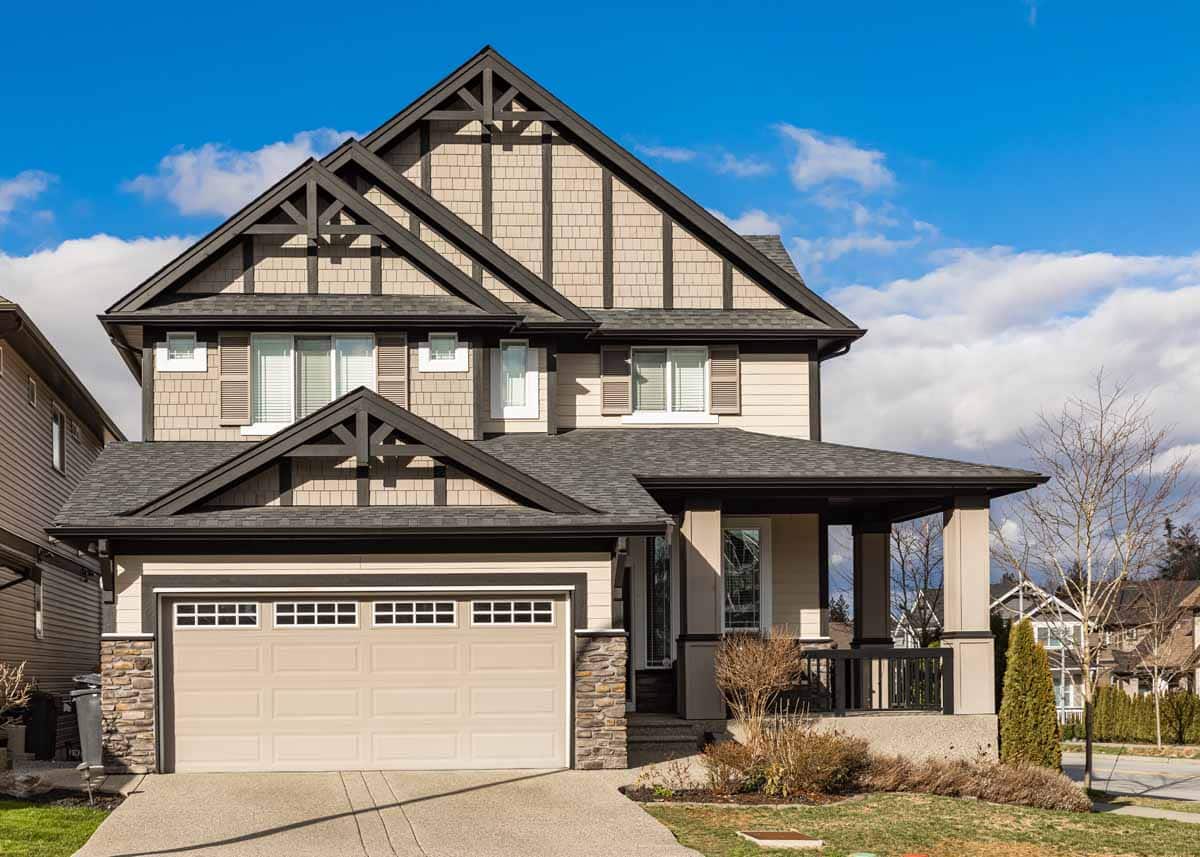
A complete garage door sealing system covers four contact points: the bottom edge of the door against the floor, the two vertical sides of the door frame, and the top of the door against the header. Each contact point serves a slightly different purpose but all four work together to create a complete barrier.
Most homeowners are only aware of the bottom seal because it is the most visible and the most likely to wear first. The side and top strips are thinner and less exposed, but they are just as important for stopping wind-driven dust and rain from entering around the frame edges.
Properties along Epsom Road and near Ewell Court that have attached garages will benefit most from a complete seal system because any air infiltration at the garage boundary can affect the adjoining living space directly.
The bottom seal does the hardest work in the system. It contacts the floor on every single close cycle and must compress against a surface that is rarely perfectly level. On driveways that slope toward the garage, as many do along Ruxley Lane and Chessington Road, the seal must deform unevenly across its width to maintain contact at both ends.
Over time, this repeated uneven compression causes the seal to flatten permanently on the lower side of the slope, leaving a gap on the higher side that widens as the material ages. This is one reason why a seal can look visually intact from above but still allow significant air and moisture entry along one edge.
For a straightforward bottom seal replacement on a standard sixteen foot wide door, you can Get Garage Door Bottom Seal in the correct length for the job. Fitting it in one continuous piece without joins eliminates the weak points that sectioned replacements often leave behind.
Dust entry is a persistent issue for garages along the A24 corridor and on properties close to London Road Recreation Ground or Poole Road Recreation Ground where unpaved paths and open ground sit nearby. Fine particles work through the smallest gaps in a seal system and settle across stored items, vehicle paintwork, and workshop surfaces.
The bottom seal handles most ground-level dust entry, but wind-driven particles can also enter through the side strips if these have split or compressed away from the stop moulding. A gap of just a few millimetres on a windy day is enough to carry significant fine material into the garage over the course of an afternoon.
The Hogsmill River and the Hogsmill riverside area create a zone of elevated ground moisture that affects properties in West Ewell and East Ewell through the autumn and winter months. Garages without adequate sealing absorb this ambient moisture through the base gap overnight, and by morning the floor and lower walls show the effects as dampness or condensation on metal surfaces.
This is not just an aesthetic problem. Persistent moisture at floor level accelerates corrosion on the door bottom section, the bottom brackets, and the lower track mounting hardware. Over time it weakens the structural contact points of the whole door assembly.
For a full overview of suitable products for different door and floor configurations, browsing the range of Garage Threshold Seals gives a clear picture of which seal profiles suit which floor and door combinations.
In warmer months, an uninsulated garage door with failed seals allows heat to build significantly inside the space. For homeowners in Stoneleigh, Auriol, and near Nonsuch Park who use their garage as a workshop or storage area for temperature-sensitive equipment, this matters beyond simple comfort.
Seals alone do not insulate a door body, but they do prevent the exchange of hot outside air with cooler inside air through the frame gaps. A well-sealed door with an insulated panel system stays noticeably cooler inside than an identical door with degraded seals, even on the hottest days of the year.
A seal that has worn unevenly across the bottom of the door does more than allow air entry. When the door closes against a degraded seal on one side and a thick seal on the other, the closing resistance is different across the width of the door. Over repeated cycles this can introduce a slight twist into the door panel that begins to affect track and panel positioning accuracy as the frame geometry shifts under uneven contact pressure.
This is particularly relevant for older sectional doors in the Ewell Village Conservation Area and around Church Street, where door frames may already show some seasonal movement from timber structures. A uniform seal in good condition ensures the door closes squarely every time, which protects both the panel sections and the hardware at each hinge point.
Most rubber and vinyl bottom seals last between five and ten years under normal residential use. Properties near Ewell West Station and along Kingston Road where commuter vehicles enter and exit the garage twice daily every weekday will see faster wear than a garage used only at weekends. UV exposure also shortens seal life on south-facing garage doors where the material degrades from the outside surface inward.
The practical rule is to inspect seals visually twice a year, in spring and autumn, and replace any that show cracking, flattening, or gaps at the ends. Catching wear early costs a fraction of what deferred maintenance leads to when moisture damage reaches the door hardware or floor substrate.
Garage door weather sealing works best when all four contact points are in good condition at the same time. Replacing only the bottom seal while leaving cracked side strips and a compressed top seal in place addresses part of the problem but leaves clear pathways for dust, heat, and moisture to continue entering the space.
For homeowners across Ewell Downs, Cuddington, and near Bourne Hall, a full seal inspection and replacement where needed is a straightforward job that makes a clear difference to how the garage performs through every season. The components involved are not complex and the work can usually be completed in an afternoon.
A well-sealed garage door is one that you stop thinking about, because it simply does its job quietly every time the door closes. That reliability comes from a complete system where each seal contact point does its part without gaps or inconsistencies across the frame.
Address: 4949 Florin Perkins Rd Ste 30A, Sacramento, CA 95826
Phone: (916) 414-9070
Legacy Garage Door Depot, with supplier stores in Santa Clara and Sacramento, delivers premium garage door parts at competitive prices. The firm provides a comprehensive range of components for homeowners, technicians, and garage door companies. Their inventory includes reliable torsion and extension springs, garage door openers, Liftmaster models, remotes, and keypads. They also stock rollers, cables, tracks, hinges, and seals, offering a full selection of genuine and aftermarket replacement parts with fast local and online availability.
The store operates 24/7 online and can be reached on their primary lines at, +1 408-850-2617 and +1 916-414-9070.